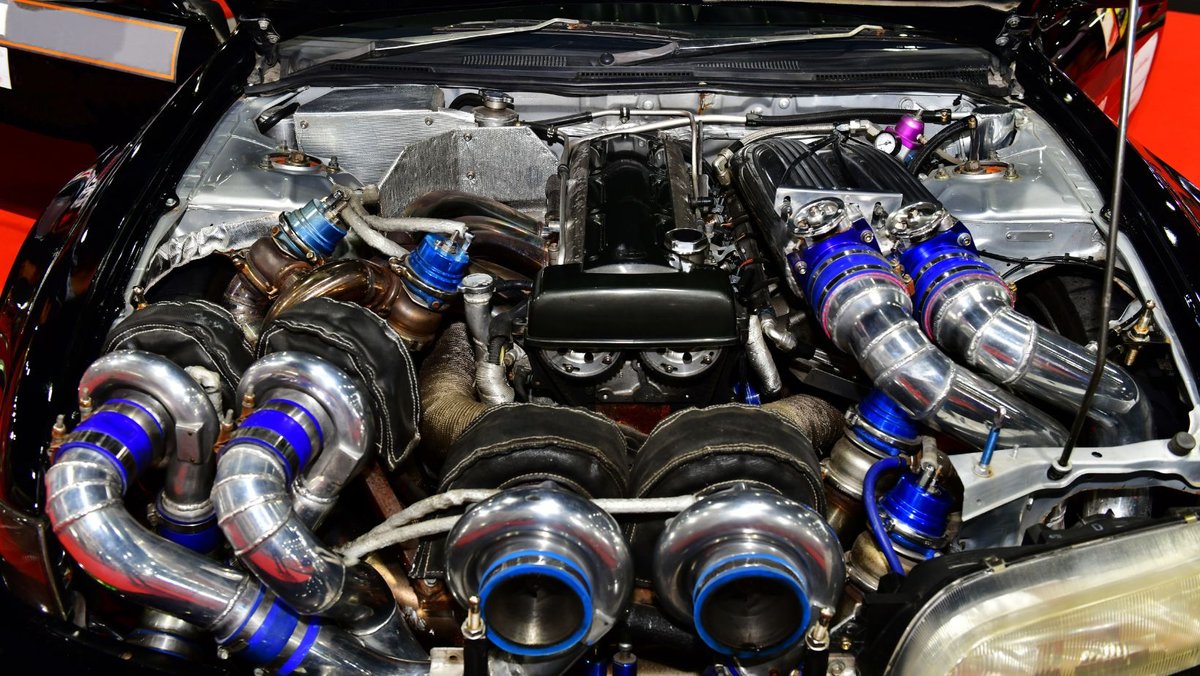
You've felt it—that yearning for a little more. A sharper turn, a quicker burst of speed, a growl that hints at untamed power. While every vehicle rolls off the assembly line as a carefully balanced machine, manufacturers often leave significant performance potential on the table, balancing factors like cost, emissions, fuel economy, and broad appeal. This is where the world of Upgrades & Modifications for Enhanced Performance comes into play, offering a path to unlock your car's true capabilities and tailor it precisely to your driving desires.
Whether you're chasing lap times, looking for a more engaging daily drive, or simply want to understand the mechanics that make cars go faster, this guide cuts through the noise. We'll explore the most impactful modifications, from the foundational to the extreme, helping you make informed decisions that align with your goals and budget—all while keeping your ride safe, reliable, and legal.
At a Glance: Key Takeaways for Performance Upgrades
- Start with Tires: They’re your car’s only contact with the road and offer the biggest initial performance boost for your dollar.
- Order Matters: Follow a logical upgrade path—think foundational elements (tires, suspension) before power (engine, boost).
- Balance is Key: Increasing power without upgrading brakes or suspension is a recipe for disaster. Match your modifications.
- Tune Your Engine: Modern cars require ECU tuning to fully capitalize on most hardware upgrades.
- Legal & Safe: Always consider local emissions laws, insurance implications, and warranty voids before making changes. Professional installation is often non-negotiable.
- Understand Trade-offs: Every gain in performance usually comes with a trade-off in comfort, noise, or cost.
Building a Better Beast: A Strategic Approach to Car Modifications
Modifying your car isn't just about bolting on new parts; it's about understanding how each component interacts and contributes to the overall driving experience. Think of it as a pyramid: you need a strong foundation before you can build higher. Rushing straight for a turbocharger without addressing tires, brakes, or suspension is like trying to run a marathon in flip-flops—you won't go far, and you'll likely hurt yourself.
Let's break down the most impactful upgrades in a recommended order, focusing on maximum effect and smart progression.
1. The Ground Game: Wheels and Tires
If you only ever make one performance upgrade, make it here. Tires are literally the sole point of contact between your vehicle and the asphalt, dictating everything from acceleration grip to braking distance and cornering prowess. Upgrading your tires is arguably the best "bang for your buck" in performance modification.
Why they're paramount: Better tires, like the revered Michelin Pilot Sport series, provide superior traction in dry and often wet conditions. This translates directly to faster acceleration off the line, shorter stopping distances when you hit the brakes, and higher cornering speeds through twists and turns. It's not just about speed; it's about control and confidence.
Beyond the Rubber: The Wheels: While tires do the heavy lifting, the wheels they're mounted on play a critical supporting role. Lighter wheels, often made from forged aluminum or even carbon fiber, significantly reduce what's known as "unsprung weight." This is any weight not supported by the car's suspension—things like wheels, tires, brakes, and hubs.
Reducing unsprung weight has a cascading positive effect:
- Improved Acceleration: Less rotational mass for the engine to spin up.
- Better Braking Efficiency: Less inertia for the brakes to overcome.
- Enhanced Ride Quality: The suspension system has an easier time controlling the wheel's movement, leading to better compliance over bumps.
- Sharper Handling: Quicker steering response and improved grip as the tires maintain better contact with the road.
Considering Wider Tires and Plus Sizing:
Wider tires offer a larger contact patch, generally enhancing cornering grip and stability. However, they can sometimes reduce wet weather performance by increasing the risk of hydroplaning. "Plus sizing" involves increasing wheel diameter (e.g., from 17" to 18"), tire width, and simultaneously lowering the tire's sidewall aspect ratio (e.g., 225/45R17 to 235/40R18). The goal is to maintain the overall tire diameter, crucial for speedometer accuracy and proper gearing. While this can sharpen handling and offer a more aggressive look, it often comes at the cost of ride comfort due to the shorter sidewall, and it can increase the risk of wheel damage from potholes.
The Bottom Line: Invest in quality tires first. Then, if budget allows, consider lighter wheels. Always prioritize proper sizing and fitment to avoid rubbing, ensure brake clearance, and maintain critical vehicle dynamics.
2. Taming the Twisties: Suspension and Bushings
With your grip improved, the next logical step is to optimize how your car handles that newfound traction. Suspension and bushing upgrades are designed to control body motion, keep the tires firmly planted, and translate driver input more directly into vehicle response.
What they do:
- Lower Center of Gravity: Lowering springs or coilovers reduce the car's ride height, bringing its center of gravity closer to the ground. This reduces weight transfer during cornering, braking, and acceleration, leading to flatter handling and improved stability.
- Decrease Body Roll: Stiffer springs and sway bars (anti-roll bars) resist the car's tendency to lean excessively during turns. Less body roll means the tires maintain a more consistent contact patch, enhancing grip and control.
- Increase Cornering Speed: The combined effect of a lower center of gravity and reduced body roll allows for significantly higher cornering speeds with greater confidence.
- Improve Power Transfer: Stiffer suspension components and upgraded bushings minimize unwanted movement in the drivetrain and suspension links. This means more of your engine's power is efficiently transferred to the ground, rather than being absorbed by flexing rubber.
Bushings: The Unsung Heroes: Your car's factory bushings are often made of soft rubber designed for comfort. Performance bushings, typically made from harder compounds like polyurethane, replace these pliable components throughout the suspension and subframe. They reduce unwanted deflection, translating to a more direct and precise feel from the chassis and steering. Stiffer engine and transmission mounts, for example, reduce torque loss by preventing the engine from rocking excessively under load.
The Trade-offs: While performance suspension transforms handling, it undeniably leads to a rougher, firmer ride. You'll feel more of the road, and stiffer bushings can increase cabin noise and vibration (NVH). For a dedicated track car, this is a non-issue, but for a daily driver, it's a critical comfort consideration.
Crucial Advice: Suspension modifications involve changes to your vehicle's geometry. After any significant suspension work, a professional alignment is not just recommended, it's mandatory. Without it, you risk premature tire wear, compromised handling, and an unpredictable driving experience.
3. Unleashing the Brain: Tuning and ECU Mapping
Once your car can put power down effectively and handle corners with precision, it's time to talk about unlocking more power. For modern vehicles, this journey often begins with the Electronic Control Unit (ECU) – your car's brain. Manufacturers program ECUs with conservative settings to balance performance, reliability, and fuel economy across a wide range of driving conditions and fuel qualities. This leaves a significant amount of untapped potential.
What is Tuning? Tuning customizes these engine parameters to maximize power output from existing components and prepare for future hardware upgrades. Key parameters include:
- Fuel Injection Timing and Quantity: Optimizing how much fuel is delivered and when.
- Air-to-Fuel Ratio (AFR): Ensuring the ideal mix for combustion.
- Ignition Timing: Adjusting when the spark plugs fire for optimal power.
- Turbocharger Boost Pressure: Increasing the amount of air forced into the engine (if applicable).
ECU Remapping (Software-based): The Modern Way
For virtually all modern cars, ECU remapping is the preferred method. This involves directly flashing new software onto your vehicle's ECU. It offers unparalleled customization and precision, allowing tuners to create maps specific to your car's modifications, fuel type, and desired power curve. - Benefits: Highly customizable, significant power/torque gains (up to 30% or more), potential for improved fuel efficiency (up to 10% when cruising, depending on the tune). It's a software change, leaving no physical trace if reverted, though specialized tools are required.
- Considerations: Requires a skilled and reputable tuner. A poorly executed tune can damage your engine.
Chip Tuning (Hardware-based): A Legacy Approach
Primarily suitable for older vehicles with simpler ECUs, chip tuning involves physically replacing or modifying the ECU's chip. - Benefits: Modest gains for specific older platforms.
- Considerations: Limited customization, often requires soldering, and generally inferior to modern remapping for contemporary vehicles.
Why it's essential: Even if you plan to upgrade hardware later (like an intake or exhaust), a proper ECU tune is often necessary to fully realize the gains. Without it, your engine might not adapt to the increased airflow or exhaust scavenging, potentially even running worse than stock. A custom tune ensures all your modifications work in harmony.
4. Stopping Power: Brakes
As you increase your car's ability to accelerate and corner, the capacity to stop becomes not just an upgrade, but a critical safety imperative. Increasing engine output without a corresponding brake upgrade is dangerously irresponsible. Your ability to control and stop the vehicle needs to match its newfound performance.
Basic Upgrades for Enhanced Performance:
For most street performance applications, you can significantly improve braking without breaking the bank:
- Braided Brake Lines: Replace flexible rubber lines with braided steel lines. These resist expansion under pressure, providing a firmer, more consistent pedal feel and better modulation.
- Aggressive Brake Pads: Performance pads use different friction compounds that offer higher friction coefficients and better fade resistance at elevated temperatures. Brands like EBC, Hawk, or StopTech offer a range of compounds.
- Drilled or Slotted Rotors: These designs help dissipate heat and vent gases (from pad outgassing) more effectively than plain rotors. Slotted rotors tend to be more durable for street use, while drilled rotors can be prone to cracking under extreme track conditions. Both provide a more aggressive bite.
Stepping Up for High Horsepower Builds:
If you're pushing serious power or plan on track days, you'll need more robust solutions: - Multi-Piston Racing Calipers: Replacing single-piston sliding calipers with fixed multi-piston calipers (e.g., 6-piston Brembo or StopTech kits) dramatically increases clamping force and provides more even pad wear. These often come with larger rotors.
- Higher-Temperature Brake Fluid: Standard DOT3/4 fluid has a lower boiling point. Performance DOT4 or DOT5.1 fluids are designed to resist boiling under extreme heat, preventing a spongy or absent pedal feel.
- Cooling Solutions: Sustained heavy braking generates immense heat. Custom brake cooling ducts channel cool air directly to the rotors and calipers. Some enthusiasts even use Turbofan wheel covers, which act like centrifugal fans to pull air through the brake system.
Pad Performance vs. Daily Driving:
Performance brake pads offer superior stopping power and heat resistance but often come with trade-offs. They can wear faster than standard pads, produce more brake dust, and might be noisier, sometimes squealing, especially when cold. Understanding these characteristics helps you choose the right balance for your driving needs.
5. Letting the Engine Breathe: Intake and Exhaust Systems
An engine is essentially an air pump: the more efficiently it can pull air in and push exhaust gases out, the more power it can produce. Optimizing these "breathing" systems is fundamental to engine efficiency.
Cold Air Intakes (CAIs): More & Colder Air
The concept is simple: engines love dense, cool air. A cold air intake system typically replaces the restrictive factory air box with a larger filter and smoother piping, often relocating the filter to an area where it can draw in ambient (colder) air, away from engine heat.
- Benefits: Increased airflow, colder intake temperatures (which means denser air and more oxygen for combustion), and often a more aggressive induction sound.
- Modern Engine Caveat: For many modern, turbocharged engines, significant power gains from just an intake upgrade often require a proper ECU tune. Without it, the engine's computer might not fully capitalize on the increased airflow.
Exhaust Systems: Freer Flow and Better Sound
A performance exhaust system aims to reduce back pressure, allowing combustion gases to escape the engine more quickly and efficiently. - Components:
- Manifolds (Headers): Replace restrictive factory cast iron manifolds with tubular headers that have smoother, equal-length runners to optimize exhaust scavenging.
- Catalytic Converters (Cats): Essential for emissions control, these use precious metals like platinum or palladium to convert harmful pollutants into less toxic ones. Performance high-flow catalytic converters offer less restriction than factory units.
- Mufflers: Reduce exhaust noise. Performance mufflers are designed for less restriction while still offering a desirable exhaust note.
- Resonators: Used to cancel out specific unwanted frequencies (drones) in the exhaust note.
- Benefits: Improved engine sound, modest power gains (especially when combined with a tune), and sometimes a slight weight reduction.
- Legal & Emissions: Modifying or removing catalytic converters is illegal in many regions and will cause your car to fail emissions inspections. Be aware of local regulations, especially in states with strict rules like California (e.g., ACCII).
6. Powering the Spark: Fuel and Ignition
For an engine to make power, you need the right mix of air, fuel, and a spark at the precise moment. As you increase airflow (via intake, exhaust, or especially boost), you need to ensure the fuel and ignition systems can keep up to maintain the correct ratios and prevent misfires. While these don't offer the most dramatic direct power gains, they are crucial supporting modifications for reliability and higher horsepower applications.
High-Pressure Fuel Injectors:
Your engine needs more fuel when it's making more power. Upgraded fuel injectors deliver fuel at higher pressures and with finer atomization (meaning smaller, more uniformly dispersed fuel droplets).
- Benefits: Better fuel atomization leads to more complete combustion, preventing lean conditions that can damage an engine, especially under boost. This allows tuners to safely increase power.
- Considerations: Correct injector sizing is critical; too large, and idle quality or low-speed drivability can suffer.
Improved Ignition Systems:
A strong, consistent spark is vital to reliably ignite the air-fuel mixture, particularly under high cylinder pressures associated with performance tunes or forced induction. - Spark Plugs: Performance spark plugs (often one step colder for forced induction) are designed to withstand higher temperatures and provide a more robust spark.
- Ignition Coils: Upgraded ignition coils deliver a stronger, more consistent voltage to the spark plugs, reducing the chance of misfires at high RPMs or boost levels.
- Benefits: Guarantees ignition, reduces misfires, and contributes to overall engine reliability and smoothness at higher power outputs.
7. Keeping Your Cool: Cooling Systems
Heat is the enemy of performance and reliability. As you push your engine harder with performance upgrades, it generates significantly more heat. Neglecting cooling modifications can lead to reduced engine life, power loss, and even catastrophic failure. Cooling upgrades are preventative measures that ensure your drivetrain can handle the increased demands. This is particularly crucial for enthusiasts exploring the world of more robust power solutions, like those provided by military surplus generators being adapted for specialized vehicle applications, where reliable power and cooling are paramount for mission success.
Key Cooling Upgrades:
- Thicker, Denser Radiator: Replaces the stock unit with a larger capacity, more efficient core to dissipate heat from the engine's coolant. A high-pressure radiator cap also helps raise the boiling point of the coolant.
- Silicone Hoses: More durable and heat-resistant than rubber hoses, they maintain their shape under pressure and high temperatures, improving coolant flow.
- Oil Cooler: Engine oil degrades under high heat. An auxiliary oil cooler reduces oil temperatures, preserving its lubricating properties and extending engine life.
- Transmission Cooler: Automatic transmissions generate a lot of heat, especially under hard driving. A dedicated transmission cooler prevents fluid breakdown and protects the transmission.
- Finned Differential Covers: For rear-wheel-drive or all-wheel-drive cars, a finned differential cover increases the surface area for heat exchange, keeping the differential fluid cooler.
The Reliability Factor: Maintaining optimal operating temperatures across your drivetrain—engine, transmission, and differential—significantly enhances their reliability and longevity, allowing you to enjoy your performance gains without constant worry.
8. The Ultimate Kick: Boost (Turbochargers and Superchargers)
If you're after substantial, eye-watering power gains, forced induction is your answer. Turbochargers and superchargers achieve this by compressing more air into the engine's cylinders than it could naturally aspirate (draw in on its own). More air, combined with more fuel and a stronger spark, equals a dramatic increase in horsepower and torque.
Turbochargers: Utilizing Waste Energy
- How they work: Turbochargers use exhaust gases—which would otherwise be wasted—to spin a turbine. This turbine is connected by a shaft to a compressor wheel, which then draws in ambient air, compresses it, and forces it into the engine.
- Pros:
- Higher Peak Power: Capable of producing very high horsepower figures.
- Better Fuel Efficiency: They utilize waste exhaust energy, making them more efficient than superchargers at steady speeds.
- Cons:
- Turbo Lag: A slight delay between hitting the throttle and the turbo spooling up to full boost. Modern turbos and twin-scroll designs have significantly reduced this.
- Complex Installation: Requires routing exhaust gases, intercooling, and often significant engine bay modifications.
- Higher Heat Generation: Turbos produce a lot of heat, necessitating robust cooling solutions.
Superchargers: Instant, Linear Power - How they work: Superchargers are mechanically driven directly by the engine's crankshaft via a belt. This means they are always spinning and provide an immediate, linear boost as soon as you touch the accelerator.
- Pros:
- Instant Boost: No lag, providing immediate throttle response.
- Linear Power Delivery: The power increase is smooth and predictable, often described as feeling like a much larger, naturally aspirated engine.
- Cons:
- Parasitic Loss: Since they are mechanically driven, they consume some of the engine's power to operate (typically 10-20% of the boost they generate).
- Larger Size: Can be bulky and take up significant space in the engine bay.
- Potential for Increased Engine Wear: The continuous load can place more stress on engine components.
Choosing Your Boost: - Turbocharger: Ideal if you prioritize high peak power, fuel efficiency (at cruise), and don't mind a slight delay in power delivery.
- Supercharger: Perfect for those who crave immediate throttle response, consistent power across the RPM range, and a more "naturally aspirated" feel.
Crucial Supporting Mods: Both turbochargers and superchargers require extensive supporting modifications to handle the increased power and heat: - Upgraded Fuel Systems: High-flow fuel pump, larger injectors, and potentially a fuel pressure regulator.
- Intercoolers: Essential for cooling the compressed air before it enters the engine, increasing air density and preventing pre-ignition.
- Robust Cooling Systems: As discussed, a must for reliability.
- ECU Tuning: Non-negotiable for forced induction setups to manage fuel, ignition, and boost pressure safely and effectively.
A Note for Naturally Aspirated Engines: Converting a naturally aspirated (NA) engine to a boosted setup is a significant undertaking. It often requires lowering the engine's compression ratio, upgrading internal components (pistons, connecting rods), and extensive custom fabrication. Specialist consultation is absolutely vital for such a project.
The Fine Print: Legal, Safety, and Warranty Considerations
The thrill of performance modifications must always be tempered by a sober understanding of their real-world implications. Ignoring these can lead to fines, voided warranties, denied insurance claims, and compromised safety.
Emissions and Inspection Compliance
This is perhaps the most significant hurdle for many performance enthusiasts.
- Local Laws: Many modifications, particularly those affecting the exhaust system or engine tuning, can impact your vehicle's compliance with local emissions laws. States like California, with its stringent Air Resources Board (CARB) and biennial Smog Check (ACCII), are particularly strict.
- Catalytic Converters: Altering or removing catalytic converters is illegal under federal law and will cause immediate failure of an emissions inspection. This can lead to substantial fines and prevent you from registering your vehicle.
- ECU Tuning: Some tunes can trigger "check engine" lights or make your car fail "readiness monitor" tests required for inspection. Some states specifically target non-OEM compliant ECU flashes. Always confirm your tune is emissions-compliant for your region if you drive on public roads.
Insurance and Warranties: Disclose and Understand
- Insurance Disclosure: Your insurance provider needs to know about any significant modifications to your vehicle. Performance enhancements change the risk profile of your car. Failure to disclose modifications can lead to:
- Denied Claims: If you get into an accident, your insurer might deny your claim entirely, leaving you to bear the full cost of repairs or replacement.
- Policy Cancellation: Your policy could be canceled outright.
- Factory Warranties: Performance enhancements almost always void your factory warranty on affected components. If your engine blows a gasket after a turbo upgrade, don't expect the manufacturer to cover it. Some manufacturers are more lenient than others (e.g., specific performance brands like Subaru's STI or Ford's RS often have "tuner-friendly" components), but generally, modifications mean you're on your own for repairs related to the upgraded parts. Be prepared for this financial responsibility.
Safety-First: Balance Your Build
This cannot be stressed enough: increasing engine output without upgrading corresponding safety systems compromises control and dramatically increases accident risk.
- Matched Upgrades: If you add 100 horsepower, you must upgrade your brakes and tires to handle the increased speed and acceleration. Your suspension also needs to be capable of managing the enhanced dynamics.
- Professional Services: Always use reputable, professional installation services and experienced tuners. A botched installation or a poorly calibrated tune can have catastrophic consequences for your vehicle's reliability and your safety.
- Structural Integrity: Ensure any chassis modifications maintain structural integrity. Welding, roll cages, and other structural changes should only be performed by certified fabricators.
Street vs. Track: Know the Rules of the Road
Many performance modifications perfectly suited for closed-course racing (e.g., extremely loud exhausts, race-spec suspension, removal of emissions control equipment, slick tires) are illegal on public roads.
- Legal Consequences: Driving such a vehicle on the street can lead to hefty fines, impoundment of your vehicle, and even invalidation of your insurance in the event of an accident.
- Community Responsibility: Be a responsible enthusiast. Keep extreme modifications for the track and ensure your street-legal vehicle complies with all local laws regarding noise, emissions, and safety.
Beyond Personal Rides: Real-World Applications of Vehicle Modification
While we often associate vehicle modifications with individual enthusiasts, the principles of strategic customization extend to large-scale, mission-critical applications. For instance, the U.S. Department of Homeland Security (DHS) partnered with Federal Prison Industries (UNICOR) to modify over 140,000 fleet vehicles over five years. This wasn't about speed, but about specialized equipment like emergency lighting, security cages, and communication systems. This large-scale customization adhered strictly to OEM standards, demonstrating that careful, well-planned modifications are crucial for specific operational needs, even at an institutional level. It's a testament to the idea that tailoring a vehicle for enhanced performance—whether that "performance" is speed or specialized utility—requires precision, adherence to standards, and a deep understanding of intended use.
Your Performance Journey: Where to Go Next
Embarking on the path of vehicle performance modifications is an exciting endeavor. It's a journey of learning, understanding, and ultimately, tailoring a machine to reflect your personal driving style and ambition. Start small, understand the fundamentals, and always prioritize safety and reliability.
Remember the pyramid approach:
- Grip First: Excellent tires are non-negotiable.
- Control Next: Upgrade your suspension and bushings to harness that grip.
- Tune Smart: Unlock your engine's hidden potential with a professional ECU reflash.
- Stop Harder: Match your braking capacity to your newfound speed.
- Let it Breathe: Optimize intake and exhaust for efficiency.
- Support the Power: Ensure fuel, ignition, and cooling systems are robust.
- Then Boost: If you're ready for serious power, consider forced induction.
Consult with reputable shops and experienced tuners who specialize in your vehicle's make and model. Join enthusiast forums, read reviews, and ask questions. The performance automotive community is vast and generally very supportive. With a thoughtful approach, you'll not only enhance your car's capabilities but also deepen your appreciation for the engineering marvel you drive every day. Your enhanced performance journey awaits—drive safely and enjoy the ride!