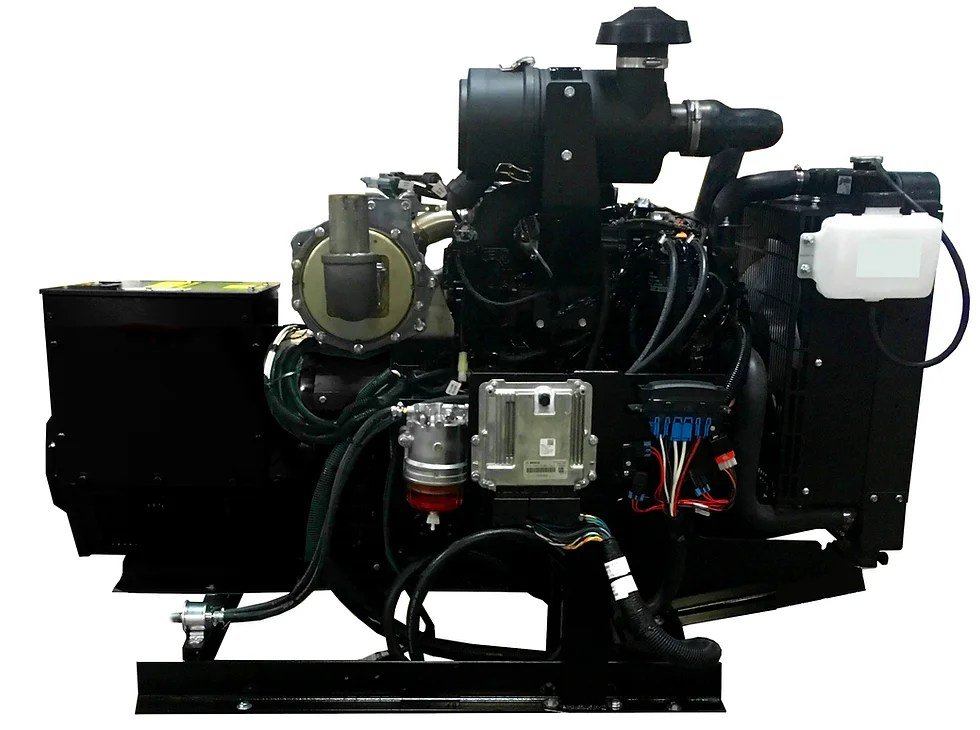
Imagine a power source so robust it's engineered to perform flawlessly in war zones, remote outposts, and critical command centers. Now imagine accessing that same battle-tested reliability without paying new-unit prices. That's the compelling promise of military surplus generators. These aren't just "used" generators; they're specialized powerhouses, often with minimal to zero operational hours, built to exceed commercial standards and ready to serve your most demanding needs.
But what exactly are you getting into, and how do you ensure you're making a smart investment? This guide cuts through the noise, offering an expert perspective on these powerful assets, helping you navigate the market and unlock their full potential. From understanding their unique origins to pinpointing the perfect unit for your application, we'll equip you with the knowledge to harness military-grade power. For a deeper dive into the entire ecosystem, consider exploring all about military surplus generators.
At a Glance: Why Military Surplus Generators Stand Out
- Unbeatable Value: Significant cost savings compared to brand-new, commercially equivalent generators.
- Extreme Durability: Built to military specifications (MIL-SPEC) to withstand harsh environments, extreme temperatures, and rigorous use.
- High Reliability: Designed for continuous operation and easy maintenance, ensuring power when it matters most.
- Immediate Availability: Often available for quick purchase and delivery, bypassing long lead times common with new equipment.
- Superior Quality: Features heavy-duty components, robust construction, and advanced alternators for stable power output.
- Often Low-Hour: Many units are new, unused, or have very low operational hours, making them distinct from typical used equipment.
Why Military Surplus? The Unsung Heroes of Power
Military surplus diesel generators are power units originally manufactured to stringent military specifications for defense applications. These aren't your typical off-the-shelf models; they're engineering marvels designed for reliability under duress. Once their military service or planned deployment is complete, or sometimes even before it begins, they're released to the civilian market as "surplus."
Think about it: the military invests heavily in equipment that must not fail. This means robust construction, heavy-duty components, and meticulous maintenance protocols. When these units become surplus, it's rarely because they're at the end of their life. Instead, they often enter the civilian market due to:
- Excess Stock: Overproduction from military contracts.
- Upgrades: Being phased out for newer models, not because of malfunction.
- Non-Deployment: Purchased but never deployed to the field.
- Low Run Hours: Many are virtually brand new, still in crates, or with negligible operational time—sometimes even zero hours from unsold inventory or rejected product lines.
This robust supply, driven by continuous military procurement cycles, ensures a steady market. In fact, the global military generator market is projected to reach an impressive $2 billion by 2031, growing at a Compound Annual Growth Rate (CAGR) of 4.7% from 2022. This thriving market underscores the inherent value and demand for these resilient power solutions.
The Undeniable Advantages: Why Choose Surplus?
Opting for a military surplus generator isn't just a budget decision; it's a strategic move for those who prioritize reliability and longevity.
Cost Savings That Make a Difference
The most immediate and obvious benefit is the substantial cost savings. A military-grade generator with similar specifications to a new commercial model can often be acquired for a fraction of the price. This frees up significant capital, allowing you to invest in other critical areas of your operation or project. For businesses, this means better cash flow; for individuals, it means accessing premium power without breaking the bank.
Built to Outlast: Unmatched Reliability & Durability
Military equipment is designed for survival. These generators are constructed to withstand:
- Harsh Environments: Extreme temperatures, dust, sand, moisture.
- Rough Handling: Transport over difficult terrain.
- Continuous Operation: Often for extended periods without interruption.
This rugged construction includes heavy-duty frames, weather-resistant enclosures, and corrosion-resistant materials. Their components, from the engine to the alternator, are typically over-engineered for resilience, ensuring long-term, dependable performance where standard commercial units might falter. This commitment to durability is a cornerstone of their design ethos, making them an excellent choice for demanding applications.
Power When You Need It: Immediate Availability
Unlike custom-ordered new generators that can have lead times stretching months, military surplus units are often readily available and ready to ship. This immediate availability is a significant advantage for urgent projects, emergency preparedness, or when you simply can't afford to wait. The logistical hurdles associated with acquiring new, specialized equipment are largely sidestepped, putting robust power within reach almost instantly.
Engineering Excellence: The Quality Factor
The quality of a military surplus generator goes beyond just being "tough." It encompasses meticulous design and high-grade components. Expect features like:
- Heavy-Duty Alternators: For stable, consistent power output, crucial for sensitive electronics.
- Advanced Control Panels: Often more comprehensive than commercial units, offering detailed diagnostics.
- Robust Fuel Systems: Designed for efficiency and reliability even with varied fuel quality.
- Superior Sound Attenuation: Many units are designed to operate quietly, a critical factor for both covert operations and civilian applications like events or residential backup.
This strong build quality translates directly into a generator that's not only powerful but also refined in its operation and enduring in its lifespan.
Surplus vs. "Just Used": Knowing the Difference
It's easy to lump all non-new generators into the same "used" category, but doing so would be a disservice to military surplus units. There's a critical distinction:
- Military Surplus Generators: These units typically have minimal usage, or are brand new from excess inventory, canceled projects, or as noted, were never deployed. Their history often involves strict military maintenance protocols, even during storage. They are frequently much closer to "new" condition than traditional used equipment.
- Used Generators: These are any generators that have been previously owned and operated, regardless of their origin. They can have significant run hours, varied maintenance histories (from diligent to neglected), and their condition can range wildly from excellent to near-scrap.
While both are "pre-owned," the inherent quality, often lower operational hours, and documented history (or lack thereof) set military surplus apart. That said, even surplus units are generally sold "as-is." This is where reputable dealers become invaluable. They often inspect, test, and sometimes even service these units to ensure performance and reliability, providing an added layer of confidence in your purchase.
Navigating Your Purchase: Critical Considerations Before You Buy
Acquiring a military surplus generator is a smart move, but it's one that requires due diligence. Here's what to keep in mind to ensure you make the best choice for your needs.
Dialing In Your Needs: Power Output and Load Requirements
The first step is to accurately calculate your power needs. Generators are rated in kilowatts (kW) for their power output. Military surplus generators commonly range from 5 kW for smaller applications up to 100 kW or even more for industrial-scale needs.
- List all devices: Make a comprehensive list of every appliance, tool, or system you intend to power.
- Note their wattage: Check the labels on each item for its running wattage and starting (surge) wattage. Starting wattage can be 2-3 times higher for motors (e.g., refrigerators, air conditioners, pumps).
- Total your requirements: Sum the running wattage of everything you need to power simultaneously, then factor in the highest starting wattage of any single item that might kick on during operation.
- Add a buffer: Always add a 10-20% buffer to your total to avoid overloading the generator and to account for future needs.
Choosing a generator with adequate power output is paramount. An undersized unit will be constantly stressed and prone to failure, while an oversized one might be less fuel-efficient for your typical load. For a detailed guide, learning how to properly size a generator is highly recommended.
Fueling Your Future: Type and Efficiency
The vast majority of military surplus generators are diesel-powered. Diesel is known for its:
- Density: More energy per gallon than gasoline.
- Safety: Less volatile than gasoline.
- Longevity: Diesel engines generally have a longer lifespan and require less maintenance than gasoline counterparts.
However, diesel operations require: - On-site Storage: You'll need appropriate and safe storage for your fuel.
- Budgeting for Costs: Factor in the price of diesel, which can fluctuate.
- Cold Weather Performance: While modern diesel engines are much better, older units might require block heaters or specific fuel treatments in very cold climates.
Consider your access to diesel fuel and your expected operational costs over the generator's lifespan.
Playing by the Rules: EPA Compliance & Environmental Regulations
This is perhaps the most critical — and often overlooked — factor, especially for generators intended for commercial use or in environmentally sensitive areas. Generators produce emissions, and regulations like those from the Environmental Protection Agency (EPA) (e.g., Tier 3 or Tier 4) dictate acceptable levels.
- Manufacturing Era is Key: Older military surplus generators (pre-2000s) might predate strict EPA regulations, making them challenging or illegal to operate in some jurisdictions without modifications.
- Check Local Laws: Always verify local, state, and federal emissions requirements for stationary and mobile generators. A unit perfectly legal in one county might be prohibited in another.
- Understand Tiers: EPA Tier ratings (Tier 1, 2, 3, 4) specify emission standards, with higher tiers representing stricter controls. Ensure the generator's manufacturing year aligns with what's permissible for your intended use and location.
Ignoring EPA compliance can lead to hefty fines and operational shutdowns. Researching understanding EPA regulations for industrial generators is essential before purchasing.
The Long Haul: Maintenance, Parts, and Condition Check
Even with military-grade construction, a generator is only as good as its maintenance.
- Maintenance History: Inquire about the unit's maintenance history. Reputable dealers will often have records or conduct their own thorough inspections.
- Parts Availability: Confirm that replacement parts for the engine (e.g., Cummins, John Deere) and alternator (e.g., Marathon, Stamford) are readily available. Common military units often share components with commercial models, simplifying parts sourcing.
- Key Component Condition:
- Engine: Check for leaks, signs of excessive wear, and listen for unusual noises during a test run.
- Alternator: Inspect windings for damage, look for rust, and ensure smooth rotation.
- Fuel System: Check hoses, lines, and filters for deterioration.
- Control Panel: Verify all gauges, meters, and switches function correctly.
- Frame & Enclosure: Look for structural damage, significant rust, or modifications that could compromise integrity.
A thorough pre-purchase inspection by a qualified mechanic is always a wise investment.
The Smart Shopper's Guide: Comparative Analysis
Don't settle for the first unit you find. Compare several options based on:
- Condition: Prioritize units with lower hours and better documented maintenance.
- Fuel Type: Ensure it aligns with your access and cost considerations.
- Brand Reputation: While military spec is a benchmark, specific engine and alternator brands (e.g., Cummins, Detroit Diesel, John Deere, Caterpillar, Marathon, Stamford) have excellent reputations for reliability and parts availability.
- Dealer Reputation: Buy from a trusted vendor with good reviews and a track record of selling quality surplus equipment.
Considering the pros and cons of buying used versus new generators can also help frame your decision-making process.
Pitfalls to Avoid
- Buying Sight Unseen: Always try to inspect the unit in person or have a trusted representative do so. Photos can be deceiving.
- Ignoring EPA Regulations: As mentioned, this is a non-negotiable step for legal and responsible operation.
- Underestimating Shipping Costs: These generators are heavy. Get clear shipping quotes upfront.
- Overlooking Ancillary Costs: Factor in the cost of fuel, oil, filters, and potential future repairs.
Where Surplus Shines: Common Applications and Use Cases
The robust nature and cost-effectiveness of military surplus generators make them ideal for a wide array of applications beyond their original design.
Industrial and Commercial Use
From powering factories and warehouses to providing backup for data centers, surplus generators offer a reliable and durable solution. Their ability to handle heavy loads and operate continuously makes them perfect for environments where downtime is simply not an option. They can serve as primary power for remote facilities or as critical standby power for urban operations.
Construction and Remote Job Sites
Building a new structure or working on an infrastructure project in an area without grid power? Military surplus generators are a natural fit. Their rugged build tolerates harsh construction environments, providing consistent power for tools, lighting, and temporary offices. For off-grid locations, they offer the sustained power needed to keep projects on schedule.
Emergency Preparedness
When disasters strike, reliable power is paramount. Disaster relief organizations, hospitals, and critical infrastructure facilities depend on robust backup power. Military surplus units are designed for this exact scenario – quick deployment, reliable startup, and sustained operation under challenging conditions. They ensure essential services can continue when the grid fails, making them a cornerstone of any comprehensive emergency power strategy. For a broader look at resilience, consider various emergency power solutions.
Agriculture and Farming
Modern agriculture relies heavily on electricity for everything from irrigation systems and grain storage to essential dairy and livestock operations. For farms located far from reliable grid connections or those seeking to minimize utility bills, a military surplus generator can provide a powerful, independent energy source, ensuring continuous operation for critical farm functions.
Keeping Your Powerhouse Running: Essential Maintenance Tips
Even the toughest generator needs consistent care. Military surplus generators, while durable, will perform best and last longest with proper maintenance.
- Regular Fluid Checks: Routinely check engine oil, coolant, and fuel levels. Follow the manufacturer's recommendations for oil changes and filter replacements.
- Fuel System Integrity: Diesel fuel can degrade over time, especially when stored. Regularly inspect fuel lines, filters, and the fuel tank for contamination (water, sediment) or leaks. Consider using fuel stabilizers if the generator sits idle for extended periods.
- Battery Maintenance: Ensure the starter battery is charged and terminals are clean and free of corrosion.
- Alternator Inspection: Periodically check the alternator for dirt, dust, or signs of wear on brushes (if applicable). Ensure all electrical connections are tight.
- Test Runs: If the generator is primarily for standby use, run it under a partial load regularly (e.g., once a month for an hour). This circulates fluids, lubricates components, and ensures it's ready when needed.
- Keep it Clean: A clean generator is easier to inspect and less prone to overheating. Keep air intakes clear of debris.
For more in-depth guidance, exploring essential maintenance tips for diesel generators can provide invaluable practical advice.
Frequently Asked Questions About Military Surplus Generators
We've compiled answers to some common questions that arise when considering these robust power units.
Are military surplus generators reliable?
Yes, exceptionally so. They are built to military specifications (MIL-SPEC), meaning they are engineered for extreme durability, long life, and reliable performance under challenging conditions. Many units have very low hours, making them highly reliable.
What's the typical lifespan of a military surplus generator?
With proper maintenance, these generators can last for decades, often outliving their commercial counterparts. Their heavy-duty construction means components are designed for thousands of hours of operation.
Do they come with a warranty?
Typically, military surplus generators are sold "as-is." However, reputable dealers may offer their own limited warranties or guarantees on specific components after inspection and testing. Always clarify warranty terms before purchase.
How do I find replacement parts for them?
Many military generators use commercially available engines (e.g., Cummins, Detroit Diesel, John Deere) and alternators (e.g., Marathon, Stamford), making parts sourcing relatively straightforward through engine manufacturers or specialist parts suppliers. Dealers often provide guidance or parts themselves.
Are they louder than commercial generators?
It varies. Some older military units can be louder due to less sound attenuation technology. However, many modern military units incorporate advanced soundproofing, making them comparable to, or even quieter than, some commercial industrial generators. Always check the decibel rating if noise is a concern.
Your Next Step: Finding the Right Military Surplus Generator
You're now equipped with a comprehensive understanding of military surplus generators – their unique value proposition, the critical factors for purchase, and their vast potential. These aren't just pieces of equipment; they are investments in unparalleled reliability and cost-efficiency.
To make your move, focus on:
- Clarifying Your Needs: Reconfirm your power requirements, fuel preferences, and regulatory landscape.
- Researching Reputable Dealers: Seek out vendors with expertise in military surplus, who can provide maintenance records, testing reports, and support. Ask about their inspection processes and any guarantees they offer.
- Thorough Inspection: If possible, inspect the unit in person or arrange for a qualified third-party mechanic to do so. Pay close attention to the engine, alternator, and control panel.
- Asking Detailed Questions: Don't hesitate to inquire about run hours, service history, and previous deployment. A good dealer will be transparent.
By following these steps, you can confidently secure a power solution that delivers military-grade performance and peace of mind for years to come. The robust, reliable, and cost-effective power you need is within reach.