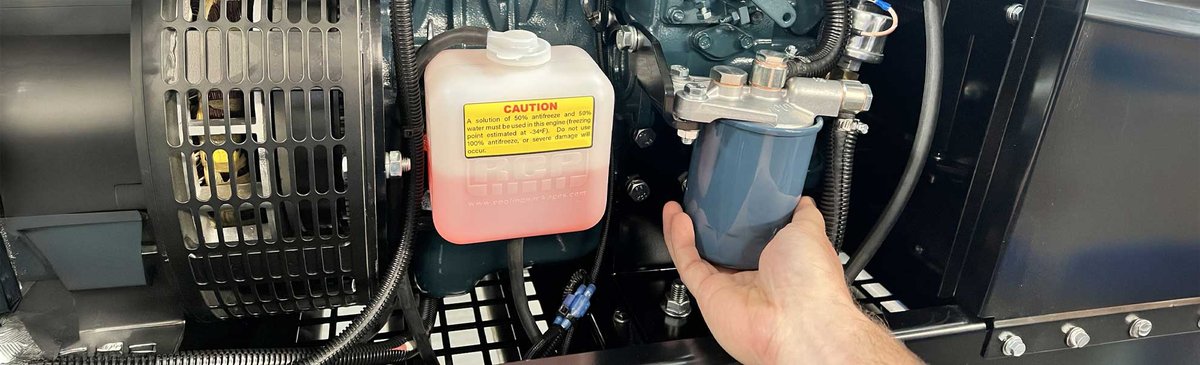
Surplus generators are fantastic for powering everything from workshops and construction sites to emergency home backup, offering a robust and often cost-effective solution for reliable electricity. But like any powerful piece of machinery, truly unlocking their potential and ensuring their extended service hinges on proactive, intelligent Maintenance, Repair & Longevity of Surplus Generators. This isn't just about patching things up when they inevitably sputter; it's about adopting a meticulous, forward-thinking approach that keeps your power flowing smoothly, reliably, and for many years to come, safeguarding your operations against unexpected disruptions.
At a Glance: Quick Takes on Generator Care
- Prioritize Regular Maintenance: It’s your shield against unexpected outages and significantly slashes long-term repair costs.
- Customize Your Schedule: Base your maintenance plan on how frequently you use your generator and the environmental conditions it operates in.
- Stay Alert for Warning Signs: Abnormal noises, fluid leaks, or power fluctuations are distress calls from your generator—address them promptly.
- Know When to Call a Pro: While basic tasks are DIY-friendly, complex electrical, fuel, or transfer switch issues demand professional expertise.
- Standby Generators Need Special Attention: Their automatic nature requires dedicated checks, especially for the battery and transfer switch.
- Embrace Longevity Habits: Simple practices like fuel stabilization, regular exercise runs, and diligent record-keeping dramatically extend your generator's lifespan.
Beyond the Deal: Why Surplus Generators Demand Smart Upkeep
There's a unique appeal to surplus generators, often coming from military, industrial, or government auctions. They promise rugged construction, robust components, and often a price point significantly lower than new commercial units. However, "surplus" often implies a backstory—unknown operating hours, varied storage conditions, or periods of inactivity. This history, while adding to their character, also underscores why a rigorous approach to maintenance, repair, and longevity isn't just a good idea, it's absolutely crucial.
Think of it this way: buying a surplus generator is like adopting a trusty workhorse. It comes with experience, but you might not know its full medical history. That’s why a comprehensive check-up and ongoing preventative care become your responsibility, ensuring this powerhouse delivers dependable service for years, not just months. Without it, even the most robust military surplus generator can become a frustrating liability rather than an asset.
Building a Bulletproof Plan: Your Generator Maintenance Strategy & Schedule
A robust maintenance strategy isn't just about reacting to problems; it's about anticipating them. It involves a systematic combination of diagnostic checks, operational evaluations, and timely servicing of major components. Developing this proactive mindset is the first step toward enduring generator reliability.
The Foundation: Regular Visual Checks (Monthly)
Before you even think about firing up your generator, a quick visual inspection can tell you a lot. This isn't about deep diagnostics, but rather looking for the obvious indicators that something might be amiss.
- What to look for:
- Fluid Levels: Check engine oil, coolant, and fuel levels. Are they within the recommended ranges? Low levels can quickly lead to overheating or component damage.
- Leaks: Scan the ground beneath and around the generator for any signs of dripping oil, fuel, or coolant. Even a small leak can indicate a bigger underlying problem or become a fire hazard.
- Damage & Deterioration: Inspect hoses, belts, and wiring for cracks, fraying, or wear. Are there any loose connections? Look for rust or corrosion on metal parts, especially around terminals and fasteners.
- Debris: Ensure air intakes and cooling fins are free from leaves, dirt, or other obstructions that could impede airflow and cause overheating.
Recommendation: Perform these preventive checks once a month. They're quick, don't require special tools, and can often catch minor issues before they escalate.
Putting It to the Test: Operational Checks Under Load (Annually)
A generator might look fine sitting idle, but its true performance is revealed when it's put to work. Running your generator periodically under a load—meaning it's actually powering something substantial—is critical. This "exercise" ensures that the engine and alternator components remain lubricated, seals don't dry out, and fuel doesn't gum up the system. It also allows you to test the entire system, from startup to power delivery, in real-world conditions.
Recommendation: Run the generator under load for at least 30 minutes once a year. For standby models, some self-test weekly, but a longer annual run is still beneficial.
The Vital Fluids & Filters: Planned Maintenance Intervals
This is where the real preventative work happens, replacing components that naturally wear out or degrade over time and use. Sticking to these intervals is non-negotiable for longevity.
Oil Changes: The Lifeblood
Engine oil is more than just a lubricant; it cools, cleans, and protects your engine's internal components. Over time, oil breaks down, losing its viscosity and accumulating contaminants. Neglecting oil changes is a surefire way to shorten your engine's life.
Recommendation: Change your engine oil every 100-200 hours of operation. If your generator sees infrequent use, change the oil at least once a year regardless of hours, as oil can degrade even when sitting. Always consult your generator’s manual for the specific oil type and capacity.
Air & Oil Filters: Breathing & Filtering Clean
Just like your car, your generator's engine needs clean air to combust fuel efficiently and clean oil to operate smoothly.
- Oil filters: These capture debris and contaminants from the oil, preventing them from recirculating and causing internal wear. A clogged oil filter can starve the engine of lubricant.
- Air filters: These prevent dust, dirt, and other airborne particles from entering the engine's combustion chamber, which can cause significant damage.
Recommendation: Change oil and air filters every 200-250 hours of useful operation under normal conditions. In dusty environments—a common scenario for surplus units used in workshops or outdoor settings—air filters may need replacement much more frequently, potentially every 100-150 hours. Don't skimp here; clean filters are cheap insurance.
Spark Plugs: The Ignition Spark
For gasoline generators, spark plugs are responsible for igniting the fuel-air mixture, a critical step in the combustion process. Worn or fouled spark plugs can lead to misfires, reduced power, increased fuel consumption, and difficulty starting.
Recommendation: Inspect spark plugs every 6 months for portable generators. For all generators, replace them as per usage hours or at a minimum of every 12 months, even if they look okay. They're inexpensive and vital for efficient operation.
Powering Up: Battery Health is Key (Monthly)
The battery is your generator's starting point. A dead or weak battery means no power, no matter how healthy the engine is. For standby generators, the battery is also crucial for the automatic transfer switch (ATS).
- What to check: Inspect battery terminals for corrosion, which appears as a white or bluish powdery substance. Corrosion impedes electrical flow. Ensure connections are tight. Check electrolyte levels in serviceable batteries (add distilled water if low). Use a battery tester to monitor charge levels.
Recommendation: Inspect battery terminals for corrosion monthly. Clean them with a wire brush and a baking soda-water solution if corrosion is present.
Keeping it Flowing: Fuel System TLC (Every 200-300 hours)
The fuel system delivers the energy source to the engine. Any blockages or leaks here can quickly shut down your generator or create a dangerous situation.
- What to check: Inspect fuel lines for cracks, kinks, or degradation. Look for any signs of fuel leaks. Check fuel filters for blockages or sediment—these ensure only clean fuel reaches the engine.
Recommendation: Inspect fuel lines and filters for leaks or blockages every 200-300 hours of operation, or at least annually. Replace filters proactively.
The Payoff: Why Meticulous Maintenance is a Game Changer
Regular servicing isn't just a chore; it's an investment that pays dividends. It transforms your generator from a potential headache into a dependable, efficient power source.
- Enhanced Reliability: A well-maintained generator is far more likely to start and run flawlessly when you need it most, whether it's for a critical backup scenario or a demanding job site.
- Extended Lifespan: Proactive care prevents premature wear and tear, significantly extending the operational life of your equipment. You're getting more value out of your initial investment.
- Significant Cost Savings: Catching small problems early avoids catastrophic failures and expensive major repairs down the line. Preventative maintenance is almost always cheaper than corrective maintenance.
- Optimal Efficiency: Clean filters, fresh oil, and properly functioning components mean your generator runs at peak performance, burning fuel efficiently and delivering consistent power output.
- Warranty Compliance: For newer units (though less common with surplus), many manufacturers require evidence of routine maintenance to retain product warranties.
One Size Doesn't Fit All: Customizing Your Generator's Maintenance Plan
While there are general guidelines, the ideal maintenance plan for your generator isn't a rigid, universal schedule. It needs to be a living document, tailored specifically to how and where your generator operates.
Your Usage, Your Schedule
The intensity and frequency of your generator's use are the primary drivers for adjusting its maintenance schedule.
- Heavy Users: If your generator runs constantly for extended periods—think industrial applications, remote off-grid power, or continuous backup—it experiences wear and tear at an accelerated rate. These generators require more frequent checks and services, potentially performing monthly visual checks and shortening hours-based service intervals.
- Occasional Users: For generators primarily used for intermittent backup or recreational purposes, the hours accumulate slower. While annual checks are still essential, you might perform visual inspections every 3 months rather than monthly. However, remember that infrequent use can also cause issues like fuel degradation or battery drain, so regular "exercise runs" are still critical.
Environmental Factors: When Conditions Dictate Care
Where your generator operates plays a massive role in how often certain components need attention.
- Dusty Conditions: Generators used in construction sites, agricultural settings, or arid, dusty climates will see their air filters clog much faster. In these environments, you'll need to replace air filters every 100-150 hours instead of the standard 200-250 hours. Regularly check cooling fins for dust buildup.
- Harsh Weather: Extreme temperatures (hot or cold), high humidity, or exposure to corrosive elements (like salt air) can accelerate wear on hoses, seals, and electrical components. Generators in such environments may need more frequent inspections for cracks, corrosion, and leaks. Using appropriate winterization or hot-weather protection measures also becomes crucial.
Decoding the Warning Signs: When Your Generator Needs Immediate Attention
Even with the best maintenance plan, generators can throw you a curveball. Learning to recognize the early warning signs that something is amiss is paramount. Addressing these "red flags" immediately can prevent a minor hiccup from escalating into a costly breakdown or a dangerous situation.
Listening to Your Machine: Abnormal Sounds & Shaking
Your generator usually has a familiar hum or rumble. Any deviation from this, such as clanking, grinding, knocking, or excessive vibration, is a clear indicator.
- What it means: These often suggest loose parts, worn bearings, unbalanced components, or internal engine problems that need immediate investigation.
The Reluctant Start: Cranking Problems
If your generator struggles to start, cranks slowly, or simply clicks without turning over, it's telling you something.
- What it means: This usually points to issues with the battery (low charge, sulfation), a fouled or failing spark plug, or problems within the fuel system (clogged filter, old fuel).
Power Fluctuations: A Sign of Instability
When your generator is running, the power it provides should be consistent. If you notice lights flickering, electronics behaving erratically, or the engine surging and dying under load, there's a problem.
- What it means: This could be due to generator overloading, issues with the voltage regulator, an electrical malfunction within the alternator, or even a fuel delivery problem causing inconsistent RPMs.
Unwanted Leaks: Fluid Drainage
Any fluid escaping your generator is a cause for concern. Whether it's oil, fuel, or coolant, a leak needs to be traced and sealed.
- What it means: Leaking fluids not only indicate a compromised seal, hose, or component but also pose environmental hazards and fire risks. Address immediately.
Smoke Signals & Strange Noises: Internal Red Flags
Excessive exhaust smoke (especially blue, white, or black smoke that doesn't clear quickly) or unusual internal knocking or rattling sounds are serious indicators.
- What it means: Blue smoke suggests burning oil, white smoke could be coolant, and black smoke points to an overly rich fuel mixture or clogged air filter. Internal noises signify potentially catastrophic engine issues that need professional diagnosis.
Thirsty for Fuel: Increased Fuel Consumption
If your generator seems to be burning through fuel much faster than usual for a given load, its efficiency has dropped.
- What it means: This often implies inefficient operation due to fouled spark plugs, a dirty air filter, an improperly tuned carburetor, or internal engine wear.
The Digital Alert: Caution Lights & Error Codes
Many modern standby or portable generators come equipped with control panels featuring warning lights or digital error codes. These are your generator's way of directly communicating a problem.
- What it means: Each light or code corresponds to a specific issue (e.g., low oil pressure, high temperature, electrical fault). Consult your generator's manual immediately to decipher the meaning and take appropriate action.
Hands-On Healing: Navigating Typical Generator Repair Steps
When your generator shows signs of trouble, a systematic approach to diagnosis and repair is essential. While some tasks require professional expertise, many common issues can be identified and addressed through a logical troubleshooting process.
First Look: Initial Inquiries for Obvious Faults
Before diving deep, perform a general survey. This is a more focused version of your regular visual check, looking specifically for the problem's potential source.
- Visual Sweep: Check for obvious defects: loose wires, corroded connections, disconnected hoses, signs of impacts, or any new leaks not previously noted.
- Fuel Level & Quality: Is there enough fuel? Is it fresh? Old or contaminated fuel is a common culprit for starting issues or poor running.
- Basic Connections: Ensure all power outlets, battery terminals, and control panel connections are snug.
Battery First: Testing & Revitalization
The battery is the most frequent point of failure for a generator that won't start.
- Check Charge: Use a voltmeter to check the battery's voltage. A fully charged 12V battery should read around 12.6V.
- Inspect for Sulfation: Look for white, crystalline buildup on the battery plates (visible if it's a serviceable battery). This indicates sulfation, which can reduce capacity.
- Load Test: If possible, perform a battery load test to see if it can deliver sufficient cranking amps. A weak battery might show good voltage but fail under load.
- Clean & Charge/Replace: Clean corroded terminals. If low, attempt to charge the battery. If it doesn't hold a charge or fails a load test, replacement is necessary.
Fueling the Problem: Evaluating the Fuel System
If the battery checks out, the fuel system is often the next place to investigate.
- Fuel Lines: Inspect for cracks, pinches, or blockages. Ensure connections are secure.
- Fuel Filters: Check for visible sediment or blockage. Replace if dirty or if fuel flow is restricted.
- Fuel Pump (if applicable): Listen for its operation during cranking. Test pressure if possible.
- Carburetor/Injectors: For gasoline units, a dirty carburetor can cause stalling or rough running. For diesel, check injectors if experiencing misfires. This often requires professional attention.
The Brains of the Operation: Control Panel Verification
The control panel is your generator's nerve center, housing critical electronics.
- Wiring: Check all wiring behind the panel for loose connections or signs of burning.
- Settings: Ensure all operational settings (e.g., transfer switch mode, safety overrides) are correct.
- Error Codes: If digital, record and research any error codes displayed. These are invaluable for pinpointing specific issues.
- Fluctuating Readings: Unstable voltage, frequency, or hour meter readings can indicate internal electrical issues or sensor failures.
Staying Cool: Addressing the Cooling System
Overheating can quickly damage an engine.
- Coolant Levels: Check coolant reservoir levels. Top off with the correct type of coolant if low.
- Leaks: Inspect the radiator, hoses, and water pump for leaks.
- Blockages: Ensure the radiator fins are free of debris. Check coolant flow and look for airlocks in the system.
- Fan & Belt: Ensure the cooling fan is intact and operates correctly. Check the fan belt for tension and wear.
Fresh Oil, Fresh Start: Lubrication & Filtration
If the engine is running poorly or making unusual noises, lubrication is a critical check.
- Oil Volume & Degradation: Check oil level and examine its condition. Is it black, sludgy, or milky (indicating coolant contamination)?
- Change Oil & Filters: If the oil is degraded or past its service interval, perform an oil and oil filter change. This is often a good first step if you've inherited a surplus unit with unknown service history.
Post-Repair Proof: Testing and Monitoring
After any repair, thorough testing is non-negotiable.
- No-Load Run: Start the generator and let it run for a few minutes without any load, observing for smooth operation, normal sounds, and stable readings on the control panel.
- Load Test: Gradually apply a load, monitoring critical technical parameters:
- Voltage: Should be stable within specifications (e.g., 120V/240V).
- Frequency: Typically 60 Hz in the US.
- Oil Pressure: Should be within the normal operating range.
- Cooling System Efficiency: Monitor engine temperature to ensure it remains stable and doesn't overheat.
- Continuous Monitoring: For significant repairs, monitor the generator closely during its next few operational cycles to confirm the fix holds.
Knowing When to Call in the Cavalry: The Indispensable Role of Professional Technicians
While a motivated owner can handle many basic maintenance and troubleshooting tasks, there comes a point where specialized knowledge, tools, and experience are indispensable. Knowing when to call a professional generator technician isn't a sign of weakness; it's a sign of smart, responsible ownership, especially when dealing with potentially older or more complex surplus units.
Beyond the Basics: Tasks Best Left to Experts
- Electrical System Diagnostics & Repair: Dealing with complex wiring, voltage regulators, alternators, and output issues requires expertise to ensure correct voltage and frequency stability, preventing damage to your generator or connected equipment.
- Fuel System Calibration: Fine-tuning carburetors, diagnosing fuel injector issues, or calibrating fuel delivery systems, particularly in diesel engines, is a job for specialists.
- Automatic Transfer Switch (ATS) Servicing: For standby generators, the ATS is a complex electrical component. Its calibration, testing, and repair are critical for seamless power transitions and safety, requiring specialized knowledge.
- Control Panel Advanced Diagnostics: Beyond basic error code lookup, interpreting complex diagnostic readings and troubleshooting deep-seated control board issues is a technician's domain.
- Comprehensive Annual Examinations: A professional's annual check-up goes far beyond a visual inspection, often involving load bank testing, thermal imaging, and detailed electrical resistance checks to detect hidden problems.
The Value of Expertise: Why Professionals Matter
Professional technicians possess:
- Specialized Tools: From load banks to advanced diagnostic software, they have the equipment needed for accurate assessment.
- Deep Knowledge: They understand the intricate interplay of mechanical, electrical, and fuel systems, especially across various generator makes and models, including potentially older surplus units.
- Safety Protocols: Working with high voltage and flammable fuels carries inherent risks. Professionals are trained in safety procedures.
- Manufacturer Specifications: They ensure all components meet specific tolerances and operational parameters, optimizing performance and longevity.
For complex issues affecting voltage and frequency stability, persistent oil pressure problems, or cooling system inefficiencies that DIY efforts haven't resolved, calling in a qualified professional is not just advisable—it's essential for the safety and continued reliable operation of your generator.
Always On Call: Specialized Care for Standby Generators
Standby generators offer unparalleled peace of mind, automatically springing to life when utility power fails. Often larger and more integrated into a property's electrical system, their maintenance routines share similarities with portable units but also have critical distinctions due to their "always ready" nature and automatic functionality.
The Promise of Uninterrupted Power
These robust machines are typically connected to your property's electrical panel via an automatic transfer switch (ATS). When an outage occurs, the ATS senses the loss of power, starts the generator, and seamlessly switches your home or business to generator power, often in seconds. They are durable, capable of handling large power loads for critical systems like HVAC, refrigeration, security systems, and offer sophisticated monitoring capabilities.
Making the Right Choice: Standby Generator Selection Considerations
Before delving into maintenance, if you're considering a standby unit (perhaps a surplus industrial model), evaluate these factors:
- Power Requirements (Wattage Capacity): Calculate the total wattage of all appliances and systems you need to power simultaneously. Over- or under-sizing can lead to efficiency issues or system strain.
- Automatic Transfer Switch (ATS): An ATS is almost always a necessity for standby units, ensuring instant, hands-free power transfer and preventing backfeeding into the utility grid.
- Fuel Type Availability & Run-time: Standby units typically run on natural gas, propane, or diesel. Consider the availability of these fuels in your location, storage requirements (for propane/diesel), and how long your chosen fuel supply can sustain the generator during an extended outage.
- Installation Space & Maintenance Access: Standby units are permanent fixtures. Ensure you have adequate outdoor space for installation, proper ventilation, and clear access for routine maintenance and servicing.
Standby Specifics: A Detailed Maintenance Schedule
Given their critical role, standby generators require a diligent, tiered maintenance approach.
Monthly Checks: Keeping an Eye on the Automatic Watchdog
- Automatic Self-Tests: Many standby generators perform weekly or monthly self-tests. Verify that these tests are occurring successfully and note any error codes.
- Visual Inspection: Just like portable units, check for leaks (oil, fuel, coolant), loose connections, or unusual debris.
- Warning Light Checks: Scan the control panel for any illuminated warning or fault lights.
- Battery Charge Verification: While the generator’s charging system should maintain the battery, a quick check of its charge status is always prudent.
Every Six Months: Deeper Dive into Engine Health
- Oil and Oil Filter Change: Change the engine oil and replace the oil filter. Even if the generator hasn't run many hours, oil degrades over time.
- Air Filter Replacement: Install a new air filter.
- Battery Terminal Inspection: Check battery terminals for corrosion and clean as necessary to ensure reliable starting.
Annual Pro Check-Up: The Comprehensive Examination
- Qualified Professional Technician: This is non-negotiable. An annual comprehensive examination by a professional technician is crucial for safety and reliability.
- Electrical System Inspection: Includes testing voltage regulation, frequency, and output, as well as inspecting all wiring and connections.
- Fuel Line & System Inspection: A detailed check for integrity, leaks, and potential blockages, particularly critical for natural gas or propane systems.
- Transfer Switch Inspection: The technician will inspect the ATS for proper operation, wiring integrity, and ensure smooth power transfer. This often involves load testing.
- Cooling System Service: Includes checking coolant quality, pressure testing, and inspecting all components for wear.
- Valve Lash Adjustment: For some engines, valve lash adjustments are part of annual service to maintain efficiency and prevent wear.
Maximizing Your Investment: Smart Habits to Extend Your Generator's Life
Beyond scheduled maintenance and timely repairs, a few smart habits can significantly prolong your generator's functional life, ensuring you get the most out of your surplus acquisition.
Guard Against Degradation: The Power of Fuel Stabilizers
Fuel, especially gasoline, begins to degrade and form gums and varnishes within a few weeks, which can clog carburetors and fuel lines. This is a common issue for generators that sit idle for long periods.
- Tip: If you're storing your generator with a full fuel tank for over a month, always add a high-quality fuel stabilizer. This inhibits fuel degradation, keeping your fuel system clean and ready for action. For very long-term storage (many months), draining the fuel system completely might be a better option.
Use It or Lose It: The Importance of Regular Exercise
Generators are designed to run. Prolonged inactivity can lead to dried-out seals, gummed-up fuel systems, sticky valves, and a dead battery.
- Tip: Run your generator for approximately 20-30 minutes once a month. Make sure to put a light load on it (e.g., a few lights or a small appliance) to properly exercise all components. This keeps internal parts oiled, fuel flowing, and helps recharge the battery.
Shelter & Shine: Keeping Your Generator Clean and Protected
Exposure to the elements can cause rapid deterioration, especially for surplus units that might have already seen some outdoor life.
- Tip: Store your generator in a covered, dry place—a garage, shed, or under a purpose-built generator cover. This protects it from rain, snow, direct sunlight, and excessive dust, preventing rust, corrosion, and damage to electrical components. Regularly wipe down the exterior to keep it clean.
The Paper Trail: Why Detailed Records Are Your Best Friend
Documentation isn't just for professionals; it's a powerful tool for any generator owner.
- Tip: Maintain a detailed logbook or digital record of all service dates, tasks performed (oil change, filter replacement, spark plug check, battery test), and hours of operation. Note any repairs, parts replaced, and abnormal observations. This record-keeping facilitates effective troubleshooting, helps you adhere to your maintenance schedule, and can prove invaluable if you ever need to sell the unit or seek professional help. It tells the generator's story, allowing for informed decisions.
Your Power, Prolonged: Final Thoughts on Generator Longevity
Owning a surplus generator can be incredibly rewarding, providing reliable power without breaking the bank. But their true value is realized not just at the point of purchase, but through consistent, intelligent care. By embracing a proactive approach to maintenance, staying vigilant for warning signs, and knowing when to tap into professional expertise, you’re not just performing tasks—you’re investing in the extended life and unwavering dependability of your power source. Treat your generator well, and it will faithfully serve you for years, ensuring peace of mind, come what may.